
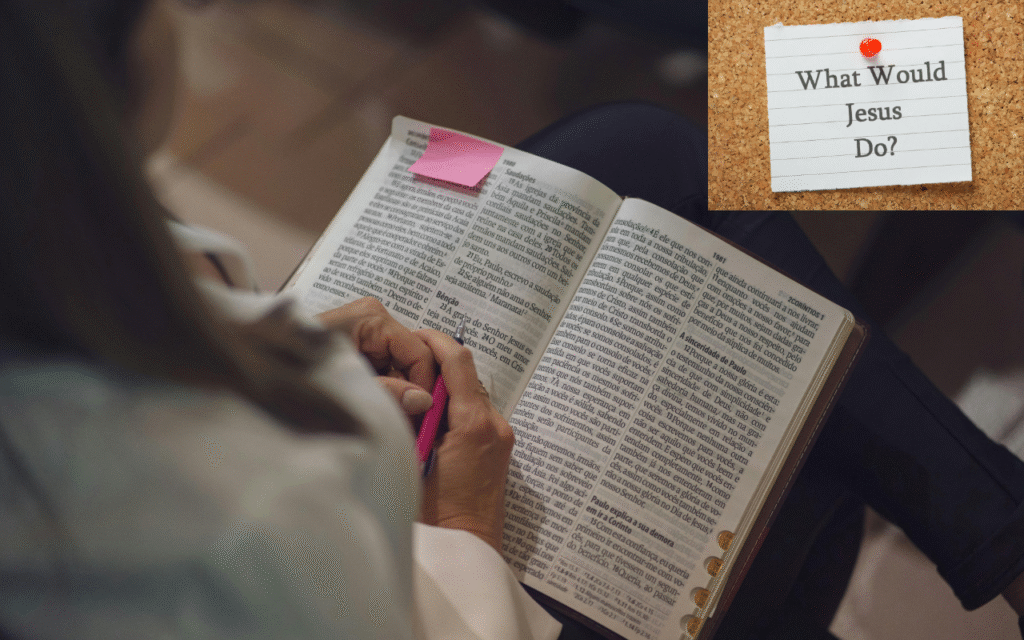
15 Lies Satan Tells You About Scripture: Don’t Believe Them, Read God’s Word
Facing the Pain Hidden in Your Silence
You know the feeling: you keep meaning to open your Bible, but something stalls you. Instead, you hop on socials, watch a show, or tell yourself you’ll “do it later.” And the longer you wait, the more guilt and distance you feel from the Scripture you once cherished. I’ve been there too. I’ve spent decades preaching and studying God’s Word, so I know how the enemy works to steal, kill, and destroy our hunger for it. In this article, I’ll show you 15 specific lies the enemy tells you about Scripture, why they matter, and how you can break free, so you’ll read your Bible with joy, confidence, and growth.
Why This Matters
If you skip reading the Bible, you miss your strongest connection to God’s voice, His truth, and your purpose. But many believers believe in barriers that hold them back. The enemy doesn’t create new traps; he reuses old ones. Here we’ll name those traps and show you how to step through them. Because the Word of God is alive, relevant, and powerful. for your life today.
1. “You already know it, so don’t read it.”
The lie sounds comfortable: “You’ve been here, done that.” In reality, this steals curiosity and growth. Even decades of Bible study reveal new layers. If you say “I’ve read it before,” you’ll stop reading altogether.
Solution: Remind yourself: “I don’t know it all.” Open the Word like a beginner and ask, “What will God show me today?”
2. “No one can understand it, so don’t read it.”
This lie uses fear and intimidation to shut you down. But God didn’t design Scripture only for scholars. Children grasp it, and professors still learn from it.
Solution: Pick a readable translation. Choose a short passage and ask 3 questions: What does it mean? What does it ask me to do? How does it change me?
3. “It’s boring. So don’t read it.”
Yes — many skip because they expect dull pages. But the Bible is rich with stories, hope, conflict, rescue. The issue isn’t the book, it’s our pace or expectation.
Example: Picture reading the Gospel of Matthew in one hour. You’ll find action, teaching, miracles. Especially when you read with a “what will He show me?” heart.
Solution: Treat it like a conversation, not a chore. Pray first: “Lord, speak to me.” Then read with expectancy.
4. “It’s better left to the professionals. So don’t read it.”
This lie keeps you passive: “Let the preacher handle it, you just listen.” But the Bible belongs to you, not only to pastors or theologians. Historical note: too long it was locked behind Latin and “expert” walls.
Solution: Claim the privilege: “God gave me His Word.” Read for yourself and take responsibility for your own growth.
5. “You need to understand Greek and Hebrew to know what it really means. So, don’t bother reading it.”
This lie uses complexity to push you away. While original languages enrich our understanding, translation does convey truth effectively.
Solution: You don’t need to wait for Greek class. Use a good translation and perhaps a simple study guide. Let deeper study come later, but start now.
6. “The English Bible was not translated correctly. If you doubt that, listen to preachers say, ‘The translators got this wrong. What it really says is…’ So don’t read it.”
This lie leans on doubt and uncertainty. Yes, some translations vary in wording. But the core message of Scripture remains clear and trustworthy.
Solution: Accept that no translation is perfect, but the truth they convey is valid. Read with faith, not paralysis.
7. “It’s contradictory. So don’t read it.”
This lie uses apparent discrepancies to sow confusion. But scholars show that any small differences don’t undermine core doctrine. One writer may say 100 died; another 1000, but the heart of the story remains.
Solution: Recognize that differences often reflect human viewpoint, not error. Focus on the “why” and the heart behind the passage. Let small questions drive study, not stop it.
8. “Experts disagree on what it means. So don’t read it.”
Yes, Christians don’t always agree on every detail. But there is massive agreement on the essentials of faith, hope and life in Christ.
Solution: Don’t wait for experts to sort it out. Read Scripture yourself. Let the Holy Spirit guide your understanding. Be humble and teachable.
9. “The Bible is outdated. Not for our modern times. So, don’t read it.”
This lie appeals to culture: “We live in the information age, this book is old.” But Scripture speaks to human nature, our fears, our needs, our hope, and that never changes.
Example: A young adult facing career stress. They ask: “Does the Bible have anything for me?” Yes, Psalm 46:1: “God is our refuge and strength.” still applies.
Solution: Choose a modern translation or commentary. Ask: “What is God saying to me today through this ancient text?”
10. “The Bible is just a bunch of rules. So, don’t read it.”
This lie twists Scripture into legalism alone. But while the Bible does contain teaching and commands, it also offers grace, story, relationship, transformation.
Solution: Read the Gospels first. Meet Jesus. Then read the letters and books. Let the relationship motivate your reading, not fear.
11. “You are so far beyond that. The Bible has nothing for you. So, don’t read it.”
This lie whispers: “You’re too advanced, too experienced, too mature” (or conversely: “You’re too far gone”) Thus you rationalize skipping Scripture.
Solution: Whether you’re brand new or seasoned, you always need the Word. Say: “Lord, I need You. Show me what I still need to learn.”
12. “Men wrote it. So, forget about it being divine. Don’t waste your time reading it.”
This lie uses half-truth: yes, humans penned the texts, but they were moved by God’s Spirit.
Solution: Acknowledge both: human authors + divine inspiration. Treat the Bible as more than a human book: a God-given message for your life.
13. “Reading the Bible will turn you into a religious fanatic. And you don’t want people thinking you’re a nut. Do not risk that by reading the Bible.”
This lie plays on fear of rejection or weirdness. But reading Scripture doesn’t make you weird, it makes you whole. It shapes character, hope, love, purpose.
Example: Think of someone who reads the Bible and shows kindness, humility and courage, what others call “fanatic” may simply be “someone who lives with conviction.”
Solution: Embrace the idea: If loving Jesus is “fanatic,” then count me in. Be bold in your faith.
14. “No one with intelligence reads the Bible any more. Only religious fundamentalists and extremists. So don’t read it.”
This lie attacks your intellect and sense of identity. But many intelligent, critical-thinking people read and love Scripture.
Solution: Know that faith and intellect can co-exist. Read the Bible with your mind engaged. Ask questions. Discuss with others. Let your faith be strong and thoughtful.
15. “You’re too busy. You can read it some other time when you are feeling spiritual, when you have plenty of time, when you’re older. Just don’t read it now.”
This lie uses time and delay to keep you from starting. The truth is: you are not too busy, you are sometimes distracted or unplanned. Waiting for the “right moment” often means never.
Solution: Schedule time. Five minutes. Ten minutes. Same time each day. When you feel ready, you already missed many opportunities. Start now.
A Story to Bring It Together
I once talked with a young professional named Clara. She told me: “I used to open my Bible when I was in college. Now with a full-time job and kids, I just don’t find the time.” (That was lie #15.)
Then she added: “Also, I keep telling myself I already know most of it.” (That was lie #1.)
One day she decided: “I’ll read one chapter each morning, no matter how I feel.” She stuck with it. After a month she said: “I’m surprised, I’m seeing things I missed. I feel closer to God. I even look forward to it.”
And she said: “I realized I was believing lies that kept me distant.” You too can have that moment.
How to Use This Article — Interactive Element
Quick Quiz: Which Lie Is Holding You Back?
Choose the one that hits you most right now:
-
I already know it.
-
No one can understand it.
-
It’s boring.
-
It’s for professionals.
-
I need Greek/Hebrew.
-
Translation is wrong.
-
It’s contradictory.
-
Experts disagree.
-
It’s outdated.
-
It’s just rules.
-
It has nothing for me.
-
It’s just men’s writing.
-
It’ll make me look fanatic.
-
Intelligent people don’t read it.
-
I’m too busy / I’ll do it later.
Action: Write the number on a sticky note. Keep it where you see your Bible. Pray: “Lord, help me face this lie and open Your Word.”
Poll: What Stops You Most from Reading the Bible?
-
A) I don’t have time.
-
B) I feel I already know it.
-
C) It seems boring/difficult.
-
D) I don’t feel spiritual enough.
Feel free to vote/share in the comments below if you’re hosting this on a blog or social channel.
Practical Steps to Break Free
-
Choose a translation you like.
-
Set a consistent time (even 5 min/day).
-
Pray a simple prayer: “Father, help me see what You want me to see.”
-
Read consecutively — don’t always jump around.
-
Don’t judge yourself if you don’t understand everything. Celebrate what you do understand.
-
After reading, ask two questions: How does this apply to me? What will I do differently?
-
Share with someone else: a friend, small group, mentor. You’ll grow faster together.
Final Word
The enemy is bold and creative, he uses lies tailored to you. But you have a stronger ally: the living God, and His Word. If you’re reading this, you’ve taken the first step: facing the problem. Now move forward. Pick up your Bible. Read it with expectancy. Let Scripture shape your heart and mind. And don’t let those 15 lies stop you again.
May your next reading bring fresh insight, quiet joy and deeper faith.
Thank you for reading.
Feel free to share this article if it helped you, and comment below: Which lie surprised you the most and how will you act this week?
Please subscribe to our YouTube channel at https://www.youtube.com/@PossibilityPluspm for inspiring videos