
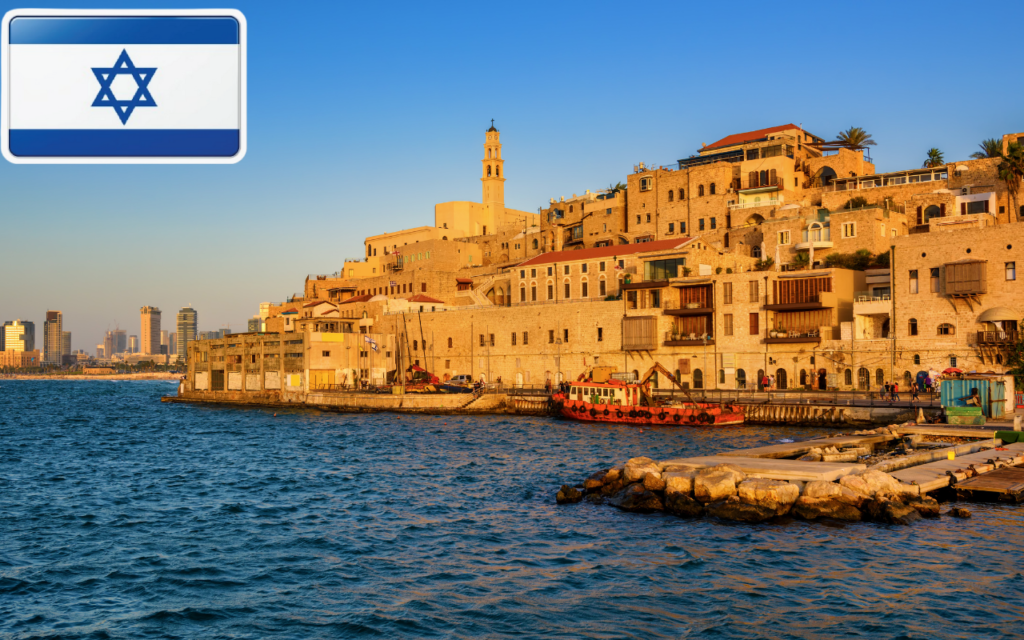
Still God’s Chosen People? The Shocking Truth Behind the Debate
The Big Question: Who Are God’s Chosen People Today?
For centuries, Christians have viewed Israel as God’s chosen people. But is modern Israel the same Israel from the Bible? Some say yes, pointing to God’s promises to Abraham. Others argue that today’s Jewish population follows different teachings, such as the Talmud, which developed in Europe.
This debate has real consequences. If modern Israel is still chosen, it impacts Christian beliefs, end-times prophecy, and even politics. If not, then who are God’s true people today? Let’s dig into the Bible, history, and theology to find answers.
What the Bible Says About Israel’s Identity
The Old Testament is clear—God made a covenant with Abraham and his descendants (Genesis 12:1-3). Israel became God’s chosen nation. However, the covenant was conditional. Deuteronomy 28 warns that if Israel disobeyed, they would face exile and consequences.
Fast forward to the New Testament. Jesus and the apostles spoke about a spiritual Israel. Paul wrote, “For they are not all Israel, which are of Israel” (Romans 9:6). He explained that true Israelites are those who follow Christ, not just those born into a Jewish lineage.
So, is modern Israel still God’s chosen people? Some believe God’s promises remain, while others argue that Christ’s coming changed everything.
The Scattering of the Jewish People: Where Did They Go?
Throughout history, Jewish communities have been forced to migrate due to persecution, war, and political changes. The destruction of the Second Temple in 70 A.D. by the Romans led to the Jewish Diaspora, scattering Jews across the world.
Major Countries Where Jews Were Scattered:
- Europe: Spain, Portugal, France, Germany, Poland, Russia, Lithuania
- Middle East & North Africa: Iraq, Iran, Yemen, Egypt, Morocco, Tunisia
- Asia: India, China
- Americas: United States, Brazil, Argentina
Despite being scattered, Jewish communities preserved their traditions, scriptures, and cultural identity.
The Rebirth of Israel: Where Did the Returning Jews Come From?
After nearly 2,000 years, the modern state of Israel was reborn in 1948. The return of Jews to their ancestral land, called Aliyah, came in waves. Most returning Jews came from:
- Europe: Poland, Russia, Germany, Romania
- Middle East & North Africa: Iraq, Iran, Yemen, Egypt, Morocco
- Ethiopia: Ethiopian Jews (Beta Israel)
- United States & Latin America: Smaller waves of Jewish immigrants
The Holocaust accelerated Jewish migration, as survivors sought refuge in their historic homeland. Today, Israel remains a melting pot of Jewish communities from around the world.
The Talmud vs. The Bible: Are Today’s Jews Following God’s Word?
Another argument centers around Jewish teachings. The Bible is the foundation of Judaism, but over time, additional texts like the Talmud shaped Jewish beliefs.
The Talmud is a collection of rabbinic discussions and traditions. Some parts align with biblical teachings, while others add human interpretations. Critics argue that modern Judaism follows the Talmud more than the Old Testament.
Historically, after the destruction of the Second Temple, Jewish communities spread across different regions, developing unique customs and beliefs.
The Many Faces of Jewish Identity
Jewish people today can be categorized by their religious beliefs and geographic origins.
Religious Movements in Judaism
- Orthodox Judaism: Strict adherence to Jewish law and tradition.
- Conservative Judaism: Balances tradition with modern interpretations.
- Reform Judaism: Adapts Jewish beliefs to fit contemporary society.
Jewish Ethnic and Geographic Groups
- Ashkenazi Jews: Eastern European Jews from Germany, Austria, Poland, and Russia.
- Sephardi Jews: Jews from Spain, Portugal, North Africa, and parts of the Middle East.
- Mizrahi Jews: Jews from Middle Eastern and North African countries, including Iraq and Iran.
- Ethiopian Jews: Jewish communities from Ethiopia, known as Beta Israel.
- Baghdadi Jews: Descendants of Iraqi Jews who settled in India during the British Raj.
- Bene Israel: Indian Jews with historical roots in Maharashtra.
Other Jewish Groups
- Haredi Jews: Theologically devout Orthodox Jews, including the Hasidic sect.
- Hasidic Jews: A mystical branch of Orthodox Judaism known for spiritual practices.
- Essenes: A historical group from the Second Temple period, known for asceticism.
The origins of the Ashkenazi Jews have been debated for centuries. Traditionally, Ashkenazi Jews trace their ancestry to the ancient Israelites, but some theories suggest that their lineage may also include converts to Judaism from Europe. Let’s break this down with historical and genetic perspectives.
Did Ashkenazi Jews Descend from Ancient Israel?
The mainstream historical and genetic view is that Ashkenazi Jews are descendants of Jews who migrated from the Levant (ancient Israel) to Europe, particularly after the destruction of the Second Temple in 70 A.D. and during subsequent Roman persecutions. Over time, they settled in Germany, France, Poland, Russia, and other parts of Eastern and Central Europe.
However, because Jewish communities lived in non-Jewish lands for centuries, some intermarriage and conversions likely occurred.
The Khazar Theory: European Converts to Judaism?
One alternative theory, known as the Khazar Hypothesis, suggests that a group of Turkic people called the Khazars, who lived in what is now Russia and Ukraine, converted to Judaism in the 8th-9th centuries A.D. Some claim that modern Ashkenazi Jews descend from these converts rather than from ancient Israelites.
However, this theory lacks strong genetic and historical evidence. Most genetic studies indicate that Ashkenazi Jews share a significant amount of DNA with Sephardic Jews and Middle Eastern populations, suggesting they have deep roots in ancient Israel. While some converts likely joined, the majority of Ashkenazi ancestry still traces back to the biblical Jewish population.
What Do Genetic Studies Say?
Recent DNA studies show that Ashkenazi Jews have mixed ancestry:
- A Middle Eastern (Levantine) origin from ancient Israelites.
- European genetic influence, particularly from maternal lineages, suggesting some European women converted to Judaism.
- A small but detectable connection to Southern European and possibly Khazar populations.
While the Khazar theory remains controversial and is largely dismissed by scholars, it’s clear that Ashkenazi Jews have a blend of Israelite and European heritage, shaped by centuries of migration, exile, and cultural exchange.
Conclusion: Are Ashkenazi Jews the Descendants of Ancient Israel?
Yes, Ashkenazi Jews have significant genetic and historical links to ancient Israel, even though their population also includes European influences due to conversions and intermarriage over the centuries.
However, whether one is a “true Israelite” in God’s eyes is ultimately not about DNA. The New Testament teaches that faith in Christ, not ethnicity, determines who belongs to God’s people (Galatians 3:29).
What do you think about the origins of Ashkenazi Jews? Let’s discuss it!
Who Are the True Israelites? The Answer May Surprise You
If modern Israel isn’t the chosen nation, then who is? Jesus’ teachings suggest that true Israel is made up of those who follow Him.
Galatians 3:29 states, “If you belong to Christ, then you are Abraham’s seed, and heirs according to the promise.” This means that God’s chosen people today aren’t based on ethnicity but on faith in Christ.
This doesn’t mean God has abandoned the Jewish people. Many believe Israel still has a prophetic role. However, salvation and being chosen now come through Jesus, not genetics.
What This Means for Christians Today
Understanding Israel’s role in God’s plan matters. Some Christians strongly support modern Israel because they believe it fulfills biblical prophecy. Others see God’s focus shifting to the Church—the body of Christ.
As believers, we should seek truth, love all people, and focus on Jesus’ mission. Whether Jewish or not, anyone who follows Christ is part of God’s spiritual Israel.
What Do You Think? (Take the Poll!)
Do you believe modern Israel is still God’s chosen nation?
🔘 Yes, God’s promises to Israel remain.
🔘 No, the chosen people are now those in Christ.
🔘 I’m not sure—still learning about this topic.
[Submit Your Answer]
Final Thoughts: Truth Over Tradition
This topic sparks deep discussions. Some believe Israel’s role in God’s plan remains. Others see a shift to faith over lineage.
One thing is certain—God’s promises never fail. The real question isn’t about nationality but about knowing Jesus.
What are your thoughts? Let’s discuss this in the comments!
Please subscribe to our YouTube channel at https://www.youtube.com/@PossibilityPluspm for inspiring videos